
Trust After Hurt
KEY TO BOXES BELOW: 🔓 Unlocked, Open Now 🔒Locked as Member Resources

Building Trust After Betrayal
Article
Betrayal can change the way you see your partner, your relationship, and sometimes even yourself. Whether the betrayal involved infidelity, dishonesty, secrecy, broken promises, or another serious violation of trust, the question that often follows is simple but difficult: Can I ever trust this person again?
Trust is rarely restored through promises alone. The person who was betrayed may need consistency, honesty, transparency, patience, and enough emotional safety to begin believing that what happened before will not simply happen again.

Building Trust After Betrayal
Worksheet
Rebuilding trust means learning how to respond differently to the two cycles that have been created. It involves taking responsibility without defensiveness, creating agreements that support safety, learning how to talk about painful experiences without repeatedly damaging one another, and allowing trust to return through patterns of dependable behavior over time.
Both partners need reflection tools to understand what their partners are going through, tools to get through what they are uniquely going through, and structured situations to restore identity and trust in the relationship.
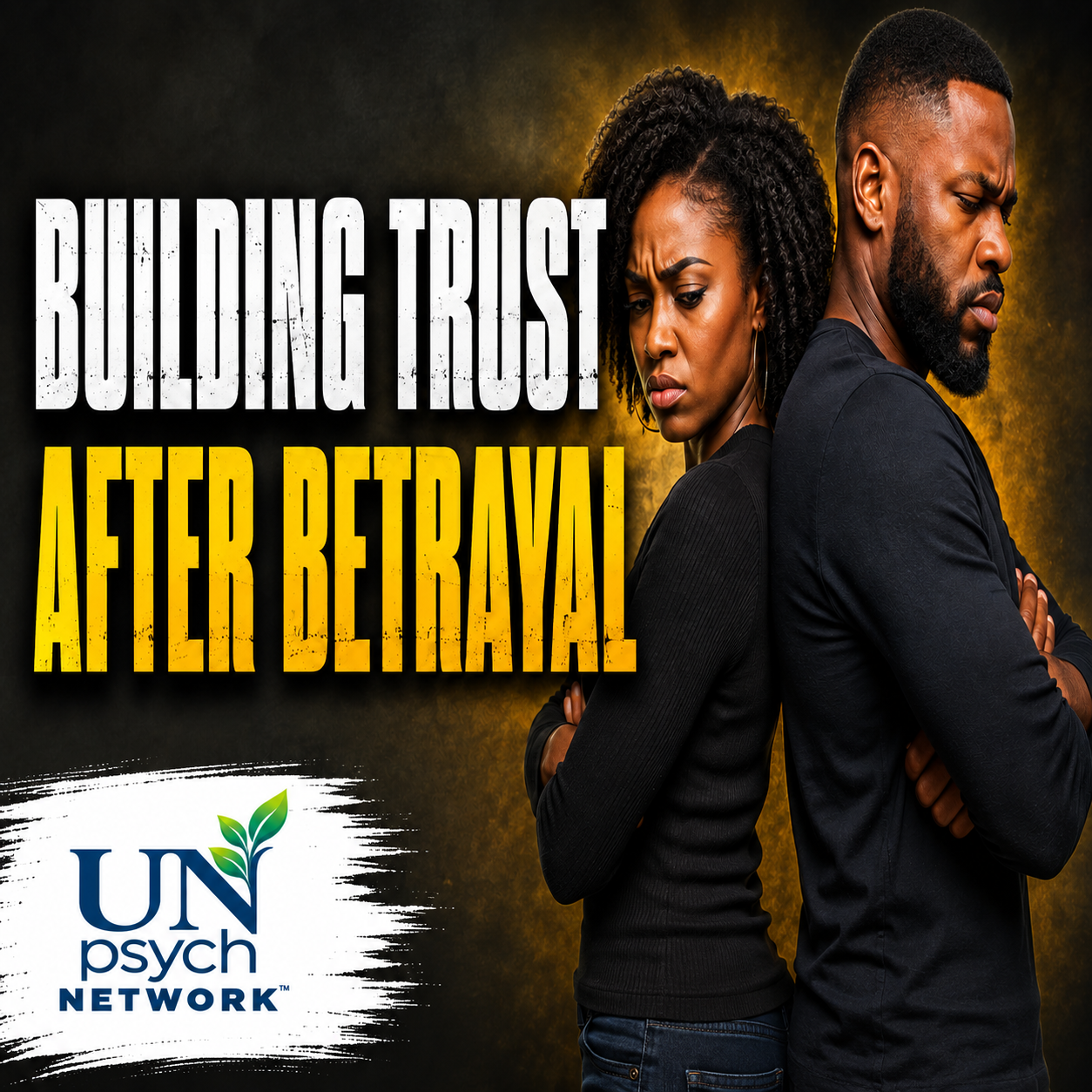
Building Trust After Betrayal
Podcast
In this podcast, Dr Slate covers the different personal struggles each partner faces in the relationship. Rebuilding a relationship requires understanding the experiences of both partners. The betrayed partner may struggle with fear, anger, intrusive questions, uncertainty, and the need for reassurance. The partner who caused the betrayal may experience guilt, shame, frustration, defensiveness, or the desire to move forward more quickly. When these different emotional needs collide, couples can easily become trapped in another cycle of hurt and disconnection.
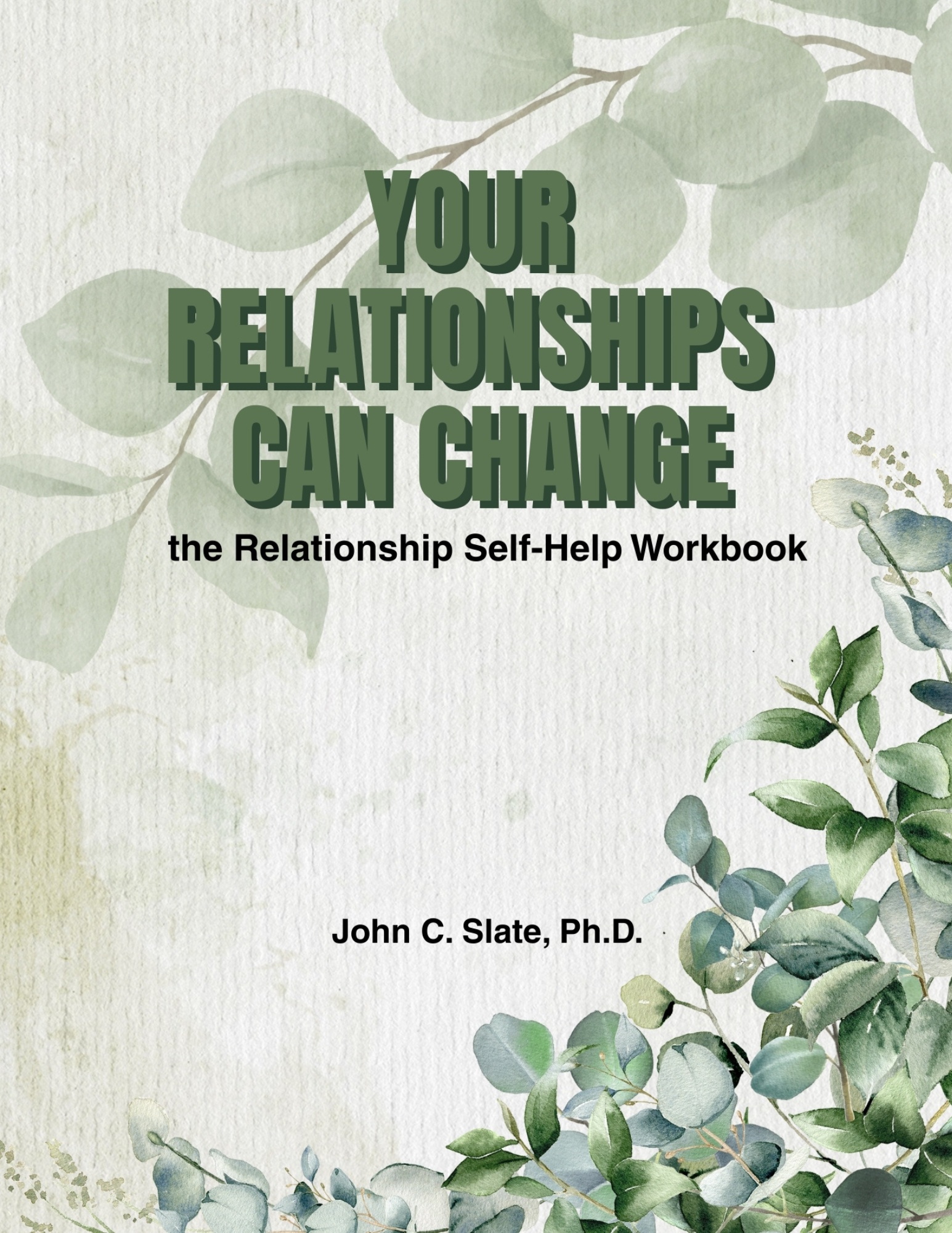
Go Deeper
To go deeper and learn about the underlying pattern, needs and recovery, look at this chapter from Dr. Slate's book: Your Relationships Can Change, the Relationship Self-Help Workbook.
Want to Go Further?
You've begun by identifying your relationship pattern and exploring the first resources available to you. UNpsych Membership allows you to continue with additional relationship tools, worksheets, courses, recorded programs, and the complete UNpsych Member Library. The resources below are a few samples of topics related to the reasons for "Trust After Hurt."
Members have access to additional relationship tools, worksheets, courses, recorded programs, and the complete UNpsych Member Library. Membership also gives you access to past relationship podcasts and opportunities to participate in upcoming programs. You can submit questions for Dr. John Slate, Ph.D. to consider during future podcasts or participate in recorded sessions where individual situations can be discussed from an educational perspective. With Wednesday evening and Saturday relationship programs, membership gives you ongoing opportunities to continue learning, asking questions, and working with the patterns affecting your life and relationships.
Unlock the Complete UNpsych Member Library $19.99 per month or $199 per year
Explore More Inside The Membership Library
Articles, Worksheets, & Practical Tools
Related Podcasts For Deeper Learning

After Betrayal
A Three-Part Course
The course covers Rebuilding Trust, Restoring Identity and Healing the Relationship for both the betrayed and the disrupter.
Two people can therefore be living inside the same relationship while experiencing two very different recovery journeys. That distinction is important. The betrayed partner cannot rebuild the relationship by simply learning to trust again. The disrupting partner cannot rebuild the relationship by simply promising that the betrayal will never happen again. And neither partner can repair the relationship by trying to return as quickly as possible to the way things were before.
Something has changed. Recovery requires understanding what has changed, what has been injured, and what now needs to be rebuilt.

Attachment Wounds & Identity Repair
Sometimes the pain of betrayal reaches beyond what has happened in the relationship today. It may touch earlier experiences of abandonment, rejection, emotional neglect, unpredictability, or not feeling good enough. When an old attachment wound is activated, the present betrayal can begin affecting not only how safe we feel with our partner, but how we see ourselves.
These resources explore the deeper injuries that may be underneath the current hurt—helping you understand earlier attachment wounds, separate another person's choices from your worth, rebuild self-trust, and strengthen an identity that does not depend upon being chosen, reassured, or protected from every possibility of loss.
When that happens, healing may involve more than rebuilding trust with a partner.
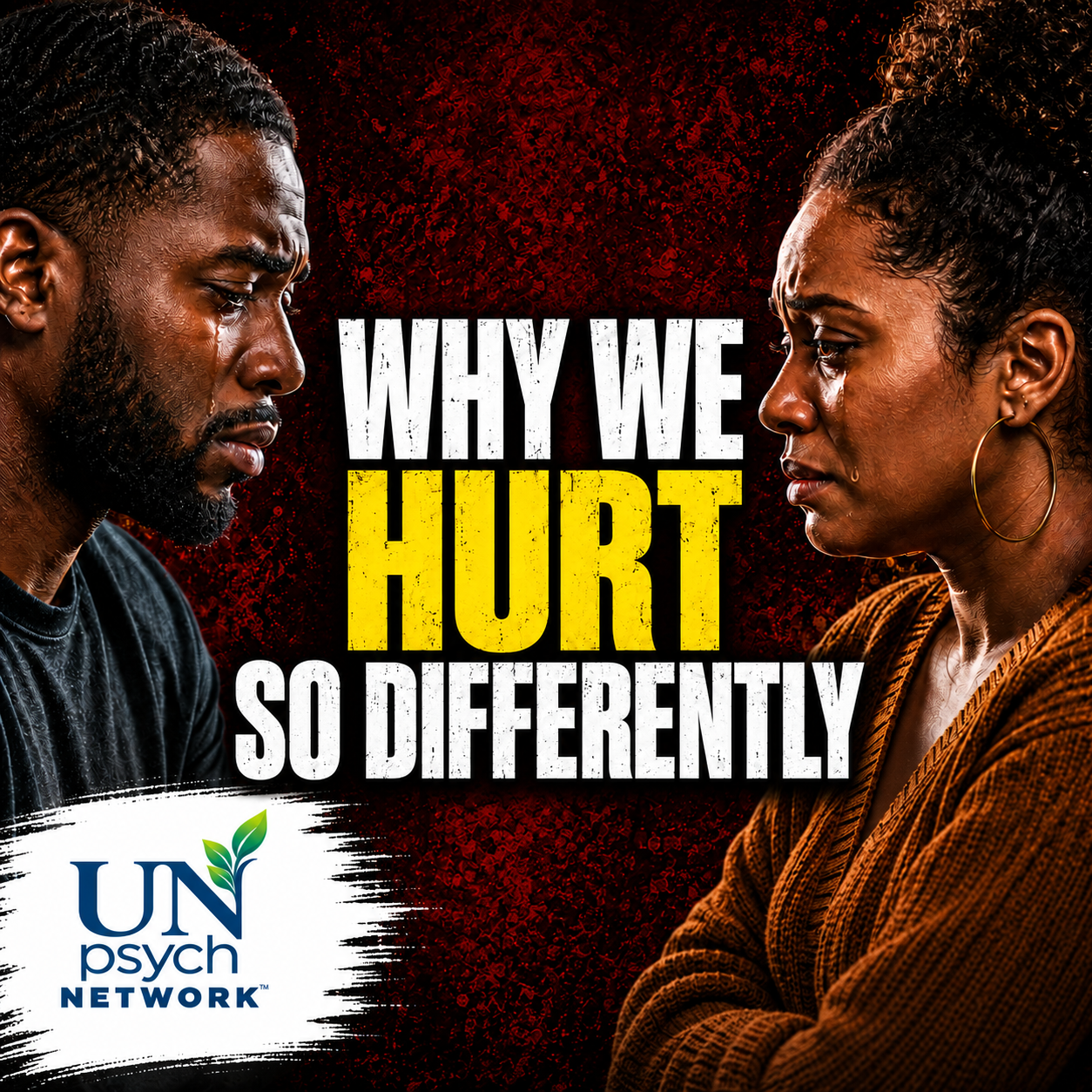
Why We Hurt So Differently Podcast
Our past experiences, emotional wounds, fears, expectations, attachment patterns, and sense of self can all influence how we experience conflict. What feels like a small disagreement to one partner may touch something much deeper in the other.
In this podcast, we explore:
• Why partners can experience the same event so differently
• How past emotional experiences influence present reactions
• Why one partner may pursue while the other withdraws
• How hurt can quickly turn into anger, defensiveness, criticism, or shutdown
• Why understanding your partner's pain does not require agreeing with everything they believe
• How couples can move from “Who is right?” toward “What is happening between us?”
Healing begins when we become curious about the hurt underneath the reaction. Instead of asking, “Why are you making such a big deal out of this?” we can begin asking, “What did this experience mean to you?”
© 2026 UNpsych Network, LLC. All rights reserved.